Resources
5 ways to address healthcare’s top challenges with a text-first patient communication strategy
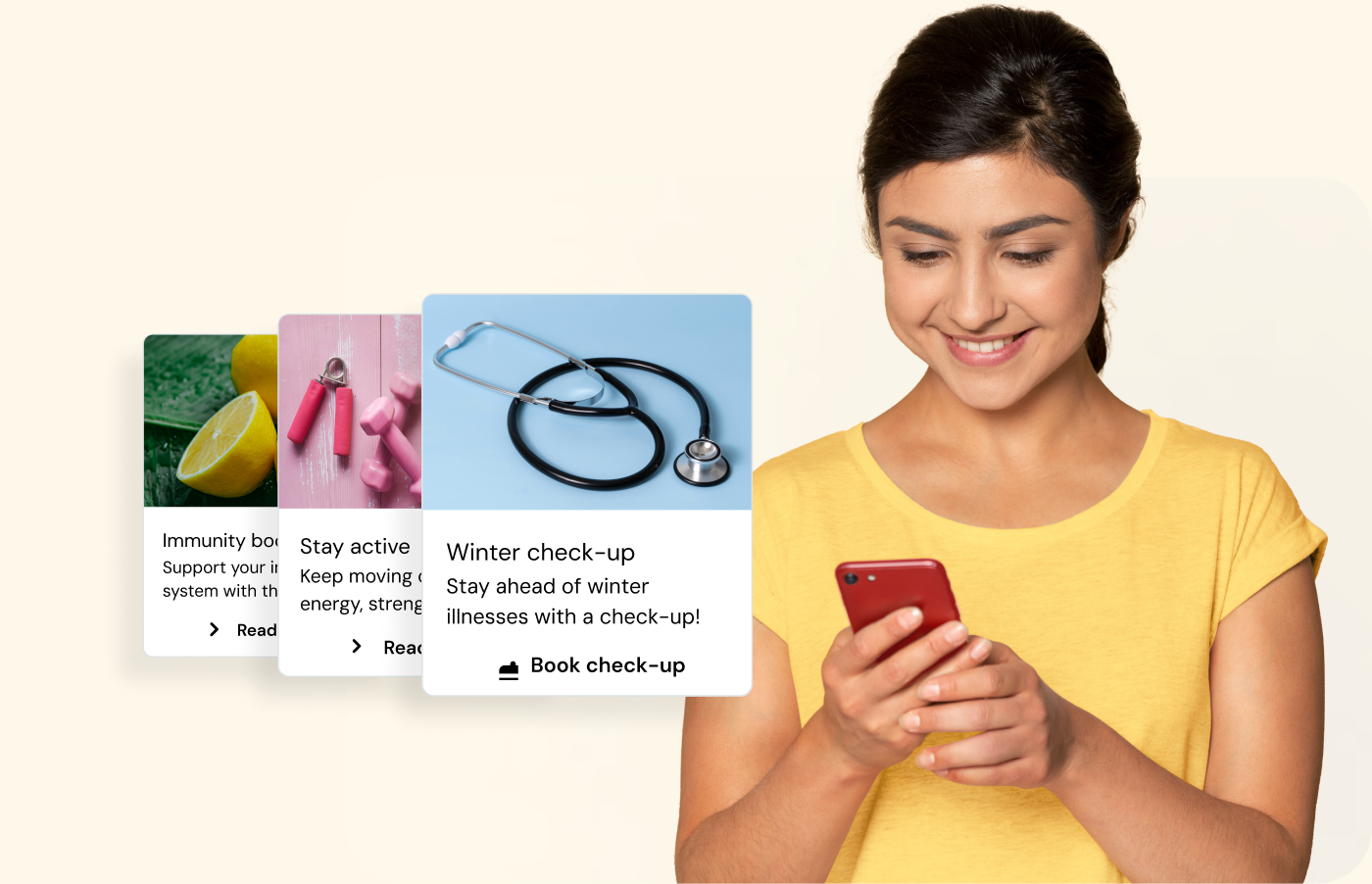
Patient communication is one of the most costly administrative challenges in healthcare. Office bottlenecks, persistent no-shows, and missed opportunities for follow-up care are frustrating for both patients and providers.
The good news is that the solution is likely already in your patients’ pockets – their mobile phones.
A recent report, “The State of Patient Communication in 2026“, surveyed 1,000 patients and revealed a clear path forward for how healthcare providers can engage more effectively with patients. A staggering 90% of patients prefer texting over any other communication method for healthcare.
It’s not just a preference; it’s a powerful tool to solve some of the industry’s most persistent problems. Here are five key challenges and how a text-first strategy can help you address them.
1. Reduce no-shows and fill your schedule, automatically
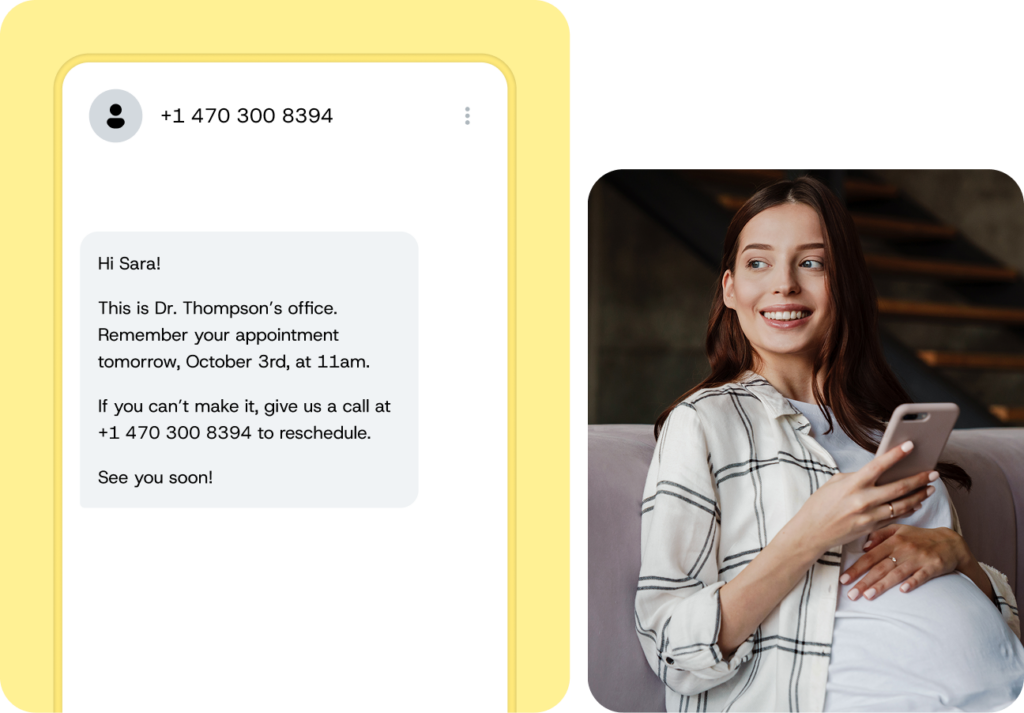
Empty slots in your schedule are a major drain on revenue and a disruption to care. The traditional approach of phone call reminders is inefficient and often ignored.
Our report found that 84% of patients say they are more likely to attend an appointment if they receive a text reminder.
Why? Because it’s convenient. Patients can confirm or reschedule in seconds with a simple reply, eliminating phone tag and uncertainty. For practical tips and templates on setting up automated reminders, check out our guide on patient text reminders.
2. Improve patient follow-through and medication adherence
Getting patients to stick to their treatment plans and refill prescriptions is a constant struggle. When communication is fragmented, patients are more likely to miss important steps in their care.
Texting can bridge this gap. The 2026 report shows that 88% of patients are more likely to refill a prescription if they receive a text reminder.
Simple, automated messages can nudge patients to take action, from scheduling a follow-up appointment to picking up their medication.
3. Ease the burden on your front desk staff
Your front desk staff are the first line of communication, but they’re often bogged down with repetitive tasks like making reminder calls and answering basic questions. This leaves them with less time for the patients standing right in front of them.
A text-first approach automates many of these manual tasks. Our research shows that 68% of patients want two-way texting to handle simple interactions like rescheduling or asking a quick question.
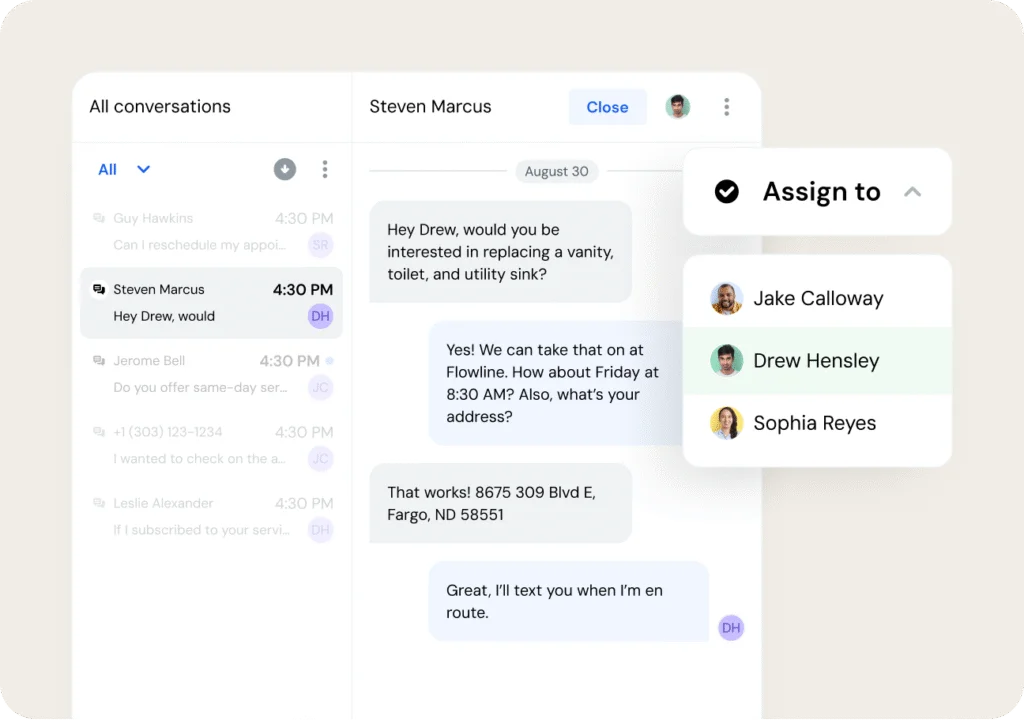
Having a smart two-way texting process in place frees up your staff to focus on more complex patient needs, improving both efficiency and the in-person experience.
4. Meet modern patient expectations for convenience
Today’s patients expect a consumer-grade experience from their healthcare providers. They want clear, convenient, and mobile-friendly communication. If you don’t offer it, they might look for a provider who does.
The data is clear: 30% of patients would consider switching providers for the ability to communicate via text. For Gen Z, that number jumps to 42%.
Offering a text-first communication strategy is no longer a “nice-to-have” – it’s a critical part of attracting and retaining patients in a competitive landscape.
5. Balance automation with a human touch
While patients crave the convenience of automation, they don’t want to feel like they’re talking to a robot when it matters most. The key is to use technology to handle the simple, routine tasks, while keeping human interaction for more sensitive conversations.
Our report found that 55% of patients are comfortable with AI for simple reminders, but draw the line at personal or sensitive health discussions.
A successful text-first strategy uses automation to make communication more efficient, not to replace the essential human element of care.
Putting it into practice
Ready to get started? You don’t need to build a new system from scratch. A platform like Sinch Engage can help you implement a secure, HIPAA-compliant texting strategy that integrates with your existing tools.
For a deep dive into what you can send, we’ve created a library of over 50 SMS templates for healthcare that you can use today.
From appointment confirmations to post-visit follow-ups, these templates will help you build a communication strategy that is both effective and patient-centric. Try Sinch Engage today to put these healthcare texting strategies into action, or contact us to learn more about how we help healthcare organizations like yours.

Author: