Chapter 5
The migration blueprint
This sequence reflects common best practices. Your specific path will depend on your current systems and organizational context.

Chapter 5
SIP trunking connects your VoIP infrastructure to the Public Switched Telephone Network (PSTN) through a cloud-based service. This is the foundation layer. It enables reliable, scalable voice connectivity without the constraints of traditional telephony. Start here.
Your voice system needs to integrate with how your teams actually communicate. Identify your collaboration tools — Microsoft Teams, Slack, Google Workspace, or others — and ensure your new voice infrastructure supports native integration. This is often where productivity gains are most immediately visible.
With SIP trunking and collaboration alignment in place, select and deploy your cloud PBX. This is the core of your new phone system. Cloud PBX platforms vary significantly in their capabilities for advanced routing, analytics, and API access, evaluate against your documented call flow requirements.
The migration will create wonderful new capabilities. Updated policies ensure those capabilities are used consistently and securely. Define acceptable use, security requirements for remote calling, device standards, and support protocols.
Confirm that your new system satisfies all applicable regulatory requirements. Most established cloud telephony providers are already compliant with RAY BAUM’s Act, Kari’s Law, STIR/SHAKEN, and E911, but don’t assume. Get written confirmation and keep it on record.
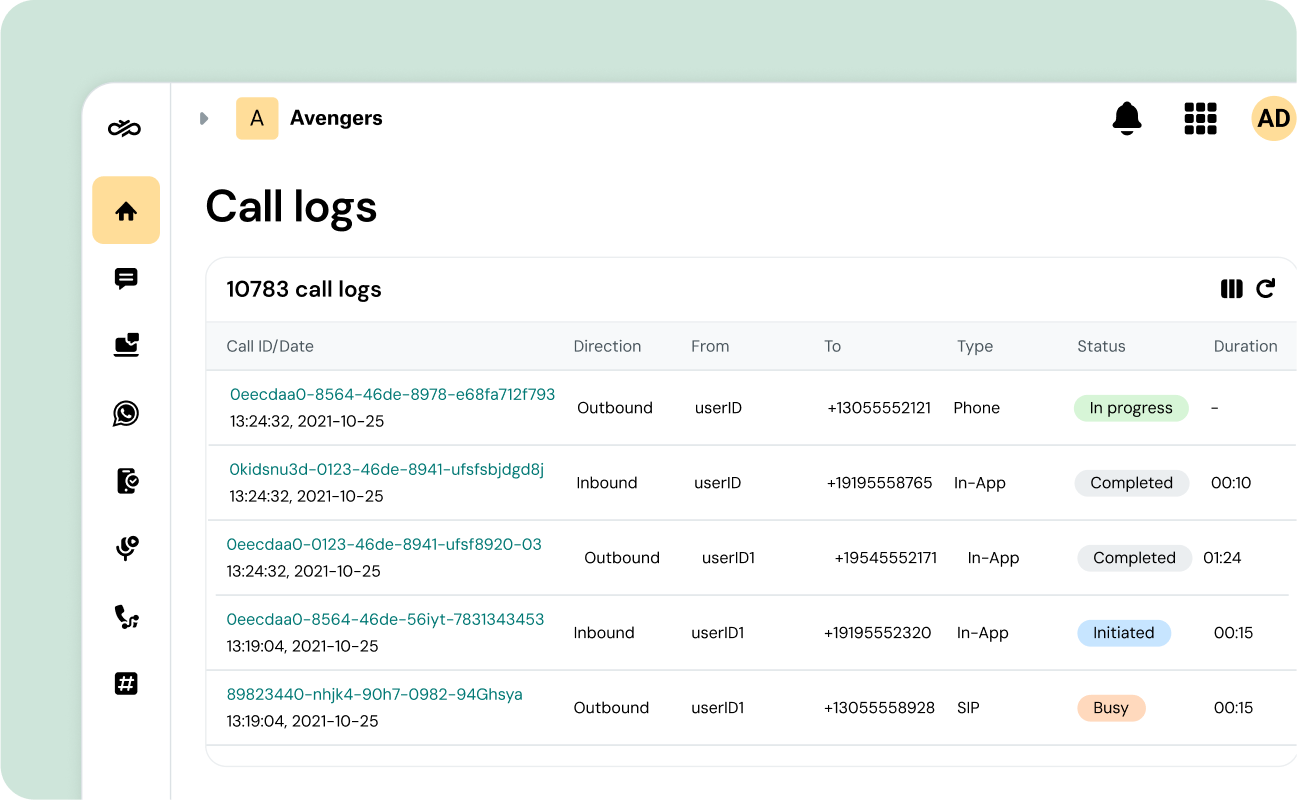
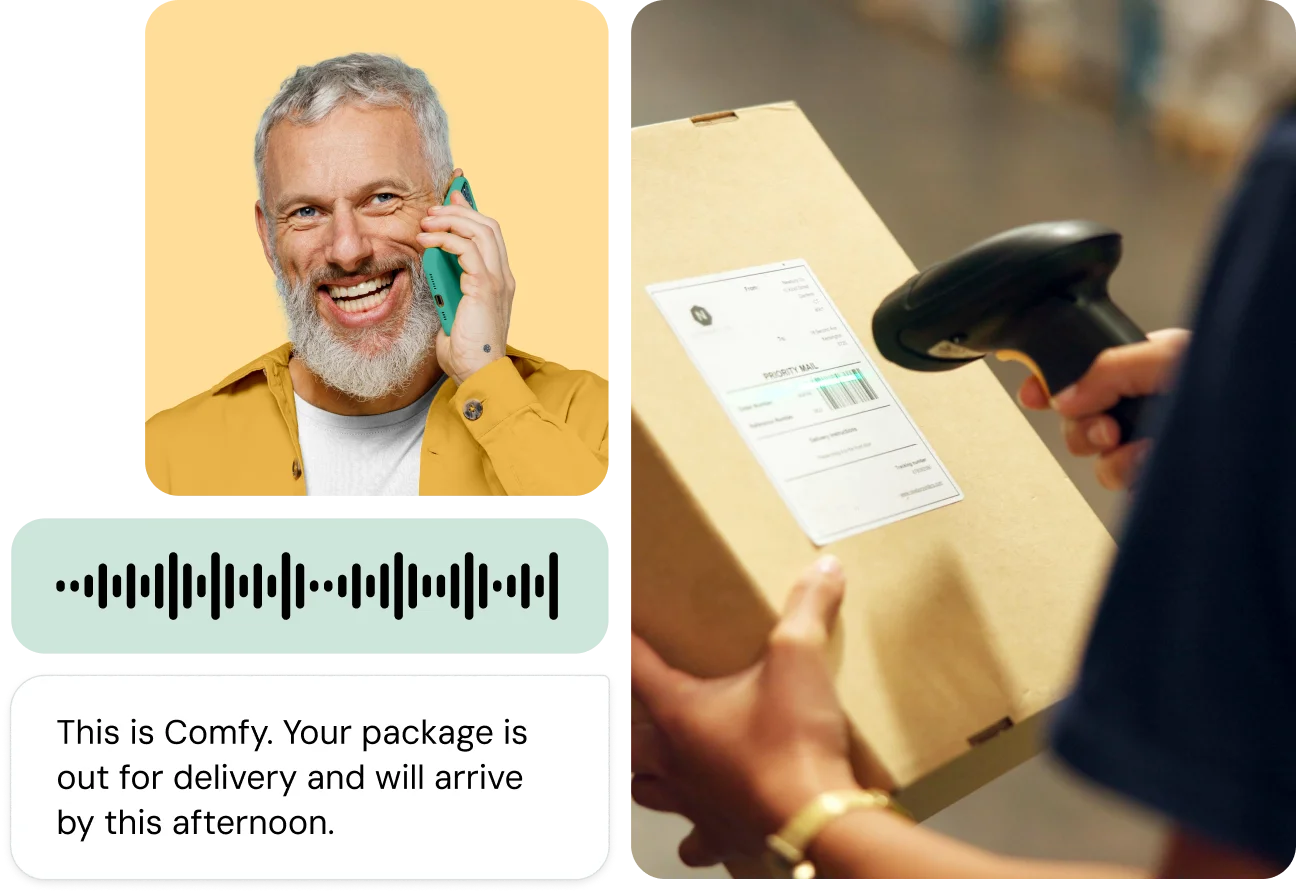
A modern voice infrastructure enables services that weren’t practical before: cloud faxing, SMS notifications, integrated contact center capabilities, and real-time analytics. Map your expanded options against business priorities and build a roadmap for phased adoption.
Define your device policy and inventory every endpoint touching the new system: physical desk phones, softphones, mobile devices, headsets, cameras, and microphones. Establish clear policies for BYOD if applicable. A complete device register is essential for security, support, and compliance.
Businesses that treat it this way will be better equipped to navigate future disruptions in voice communications. They’ll keep running. Migrating from legacy telephony to a modern cloud voice system takes planning. It takes the right partner. And it takes starting before the pressure forces your hand.
Programmable, compliant, AI-ready voice infrastructure, with the architects who have seen every step of this sequence at scale.
