TEXT RECRUITING

Use text recruiting software to text candidates

Recruiters send emails that sit unread for days. They leave voicemails that never get returned. Meanwhile, the best candidates accept another offer. Text recruiting software lets you reach candidates by SMS — the one channel they actually check — from first outreach through onboarding.

Image for Use text recruiting software to text candidates
Top brands rely on Sinch Engage to reach their customers

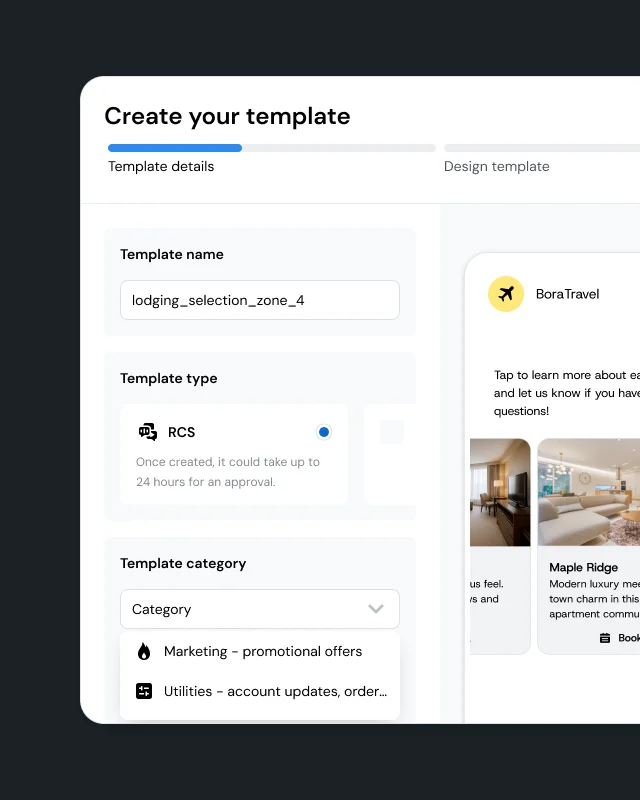
Image for Hire faster by communicating on the channel candidates prefer

WHY TEXT RECRUITING

Hire faster by communicating on the channel candidates prefer

Recruiting is a speed game. The team that gets a response first, schedules the interview first, and extends the offer first is the team that lands the hire. SMS gets you there faster because candidates respond to texts in minutes, not days.

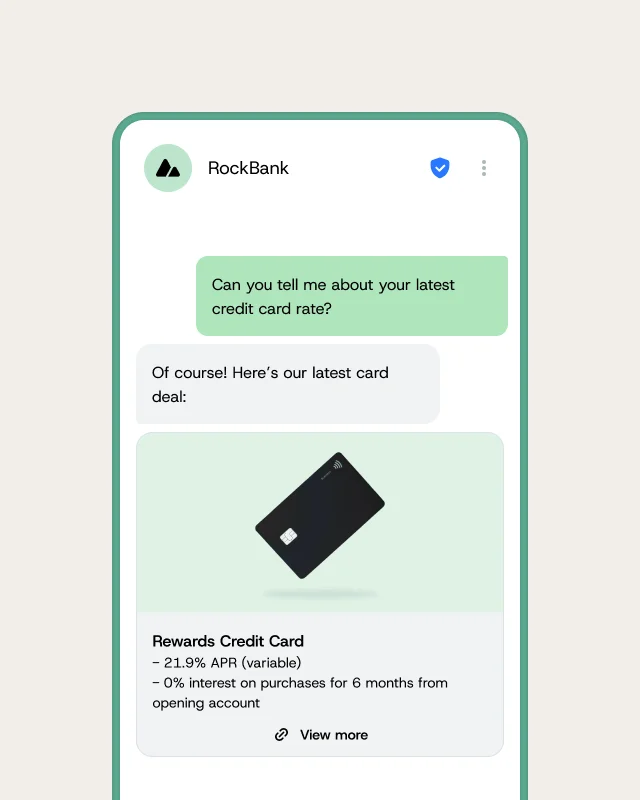
Image for For any recruiting team tired of chasing candidates

WHO IT’S FOR

For any recruiting team tired of chasing candidates

It’s especially valuable when you’re hiring at volume (retail, warehouse, healthcare, hospitality), when you’re recruiting passive candidates who won’t check a job portal, or when you’re in a competitive market where speed is the deciding factor. If your current outreach gets low response rates, SMS is likely the fix.

Image for One platform, every stage of the hiring conversation

HOW IT WORKS

One platform, every stage of the hiring conversation

Text recruiting software gives your team a centralized place to send, receive, and manage candidate conversations by SMS — from the first “Are you interested?” to “Here’s what to bring on your first day.” Every message is logged in one place, so any recruiter on your team can pick up the conversation with full context.

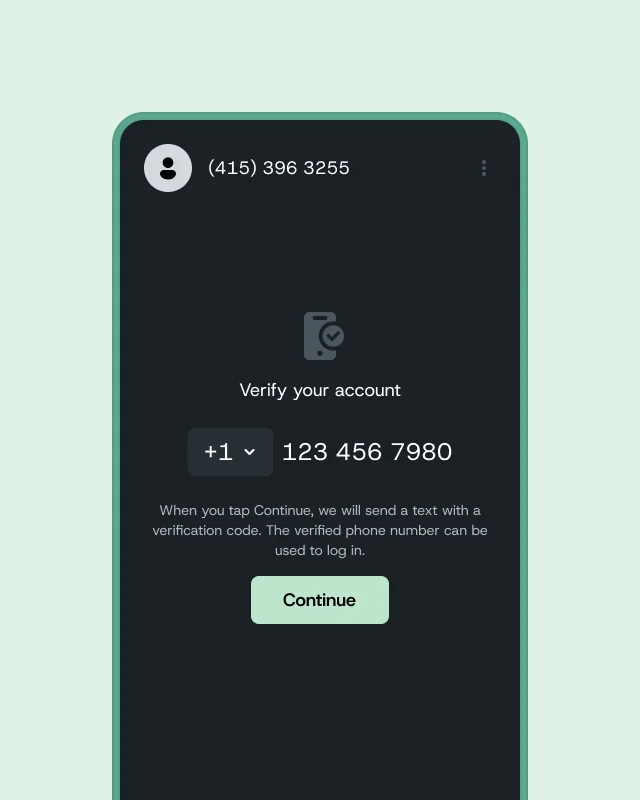
Image for The difference between texting that works and texting that annoys

GETTING IT RIGHT

The difference between texting that works and texting that annoys

Log everything. Your team needs to see the full conversation history for every candidate — who said what, when, and at which stage. A platform like Sinch Engage that captures this automatically prevents dropped balls and duplicate outreach.

IN ACTION

How recruiting teams use text messaging at every stage

Sourcing and outreach

You find a strong candidate on LinkedIn. Instead of sending an InMail they’ll see in a week, you text them: “Hi {{name}}, I’m {{recruiter}} at {{company}}. We have a {{role}} I think you’d be great for. Interested in a quick chat?” They respond in 10 minutes.

Application follow-up

A candidate applies on your careers page. They get an immediate text confirming receipt and letting them know what happens next — before they start wondering if their application went into a black hole.

Interview scheduling

Instead of a four-email chain to find a time, you text the candidate two options. They reply with their pick. Done in under a minute.

Interview reminders

The interview is tomorrow at 2 PM. A text reminder the evening before and morning of reduces no-shows and gives the candidate a chance to reschedule if something came up.

Offer notifications

The hiring manager approves the offer. You text the candidate to let them know it’s on the way — building excitement before the formal letter arrives.

Onboarding

The candidate accepted. Now you text them first-day logistics: where to park, what to bring, who to ask for, and a link to complete their paperwork before day one.

WHAT’S INCLUDED

The tools your recruiting team needs to text at scale

One-to-one messaging

Have direct, personal conversations with individual candidates. Every reply goes back to the recruiter who owns the relationship.

Bulk messaging

Reach candidate groups with a single send — hiring event invitations, deadline reminders, or status updates — while keeping each message personalized with merge fields.

Conversation logging

Every text is captured in a centralized thread tied to the candidate. Any recruiter on your team can see the full history and pick up where the last person left off.

Templates

Create reusable message templates for common touchpoints (outreach, scheduling, reminders, offers) so your team sends consistent, on-brand messages without rewriting from scratch.

Two-way messaging

One-to-one messaging Have direct, personal conversations with individual candidates. Every reply goes back to the recruiter who owns the relationship.

Integrations

Connect to your ATS, CRM, or HRIS so candidate data flows between systems and messages can be triggered automatically based on hiring stage.

GETTING STARTED

How to roll out text recruiting in five steps

Decide where text messaging adds the most value. For most teams, outreach, scheduling, and reminders are the highest-impact starting points.

One-to-one for sourcing and offer conversations. Bulk for application confirmations and event invitations. Match the format to the moment.

Draft short, clear messages for each touchpoint. Include the candidate’s name, the role, the next step, and a way to respond. Example: “Hi {{name}}, your interview for {{role}} is confirmed for {{date}} at {{time}}. Reply YES to confirm or RESCHEDULE if you need a new time.”

Decide who owns each candidate thread — the sourcer, the recruiter, or the hiring manager. Clear ownership prevents duplicate messages and dropped follow-ups.

Run your first text recruiting workflow on a single open position. Measure response rates, time-to-schedule, and candidate feedback. Refine, then roll out across your req load.

FAQs

Frequently asked questions

Software that lets recruiters and hiring teams communicate with job candidates by SMS throughout the hiring process — from initial outreach through onboarding. It typically includes one-to-one and bulk messaging, conversation logging, templates, and integrations with your ATS.

Speed and response rates. Candidates respond to texts in minutes; emails can sit unread for days. SMS also feels more personal and conversational, which matters when you’re trying to build rapport with passive candidates.

All of them: sourcing and outreach, application follow-up, interview scheduling and reminders, offer communication, and onboarding. Most teams start with outreach and scheduling, then expand from there.

Yes. Bulk messaging is useful for hiring event invitations, application status updates, and deadline reminders. You can personalize bulk messages with merge fields so they don’t feel generic.

Most text recruiting platforms integrate with popular applicant tracking systems, CRMs, and HRIS tools. This lets you trigger messages based on hiring stage and keep candidate records in sync across systems.

Yes. Two-way SMS means candidates can respond directly — confirming interviews, asking questions, or letting you know about a schedule conflict. Their replies appear in your platform alongside the full conversation history.

Text recruiting software logs every message in a centralized thread for each candidate. Any recruiter on your team can see the full conversation, which prevents duplicate outreach and ensures no candidate falls through the cracks.