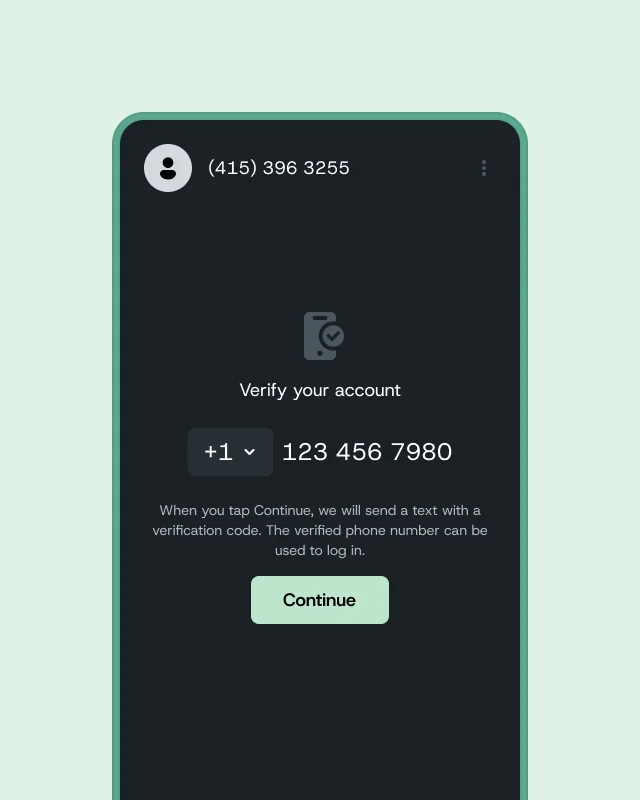
Utility providers can use SMS to send text-based alerts and account updates. You can even send messages without an app or internet access so important messages always get through.
UTILITY MESSAGING
Utility providers can use SMS to send text-based alerts and account updates. You can even send messages without an app or internet access so important messages always get through.
BUSINESS OUTCOMES
SMS for utility providers gives you a direct way to share service notifications. Reach customers without relying on an app or an internet connection. You can also reduce inbound inquiries by sharing updates proactively.
UTILITY WORKFLOWS
SMS for utility providers supports operational, service-related customer communications. You can use it for alerts, notifications, and account updates, which are common during outages and other service events.
HOW SINCH HELPS
SMS programs often use different number types depending on the interaction you need. 10DLC stands for 10-digit long code — a type of phone number used for person-to-person communication that has been approved for business use. Zero-rated short codes are 3 to 7 digits numbers used for 2-way texting between companies and their customers.
COMPLIANCE AND CONSENT
Users must consent to receive your messages before you send anything. For marketing messages, a functioning opt-out via text message must be provided at the end of all marketing messages.
You should define your opt-in and opt-out workflow before you start sending messages. That keeps your program aligned with consent expectations.
UTILITY USE CASES
SMS for utility providers is commonly used for operational and service-related messages. Common categories include outage notifications, billing and payment reminders, meter reading schedules or alerts, service disruption and restoration updates, and payment confirmation messages.
CAPABILITIES
GETTING STARTED
Start with the basics: number type, consent, and how you will send messages.
Choose 10DLC or a short code
Define how you collect opt-in
Add opt-out instructions for marketing messages
Set up Email to SMS if you want email-based sending
Test your messages before sending at volume
FAQ
SMS for utility providers is the use of Short Message Service by electricity, gas, water, and other utility companies to send and receive text-based communications with customers for operational and service-related purposes.
Reduce inbound enquiries by proactively providing information via text. This is most relevant for time-sensitive service notifications and account updates.
Utility SMS programs may use 10DLC and zero-rated short codes. 10DLC stands for 10-digit long code – a type of phone number used for person-to-person communication that has been approved for business use.
Get opt-in: Users must consent to receive your messages before you send anything. For marketing messages, you also need a functioning opt-out via text message at the end of the message.
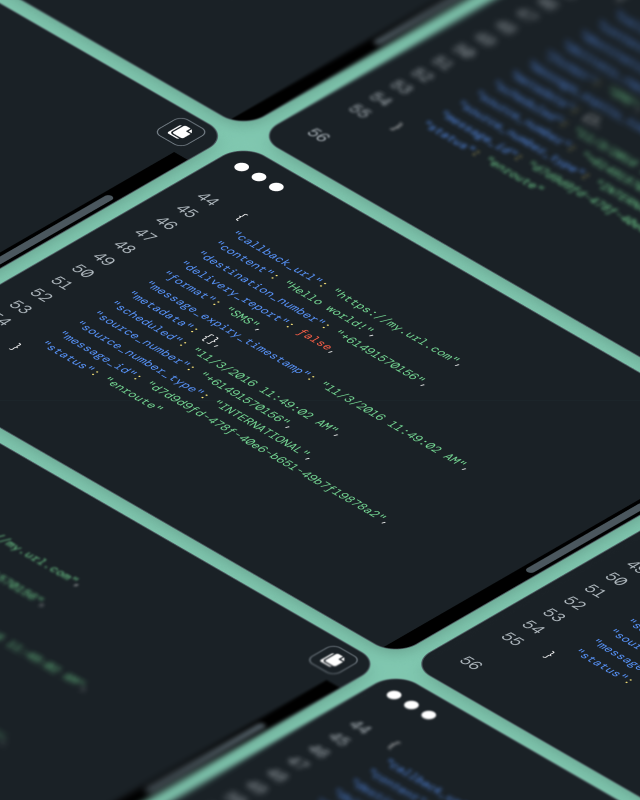
Yes. Email to SMS lets you send and receive SMS directly from your email. That supports basic sending without building an API integration.
Common utility SMS use cases include outage notifications, billing and payment reminders, meter reading schedules or alerts, service disruption and restoration updates, and payment confirmation messages.
Zero-rated short codes are 3 to 7 digits numbers used for two-way interaction between companies and their customers. With zero-rated short codes, end customers don’t pay the price of the message they send to the company using it.
For marketing messages, you need opt-in and a functioning opt-out via text message. You should define these consent steps before you start sending messages.