SMS FOR BILLING AND PAYMENTS

The payment reminder people actually see

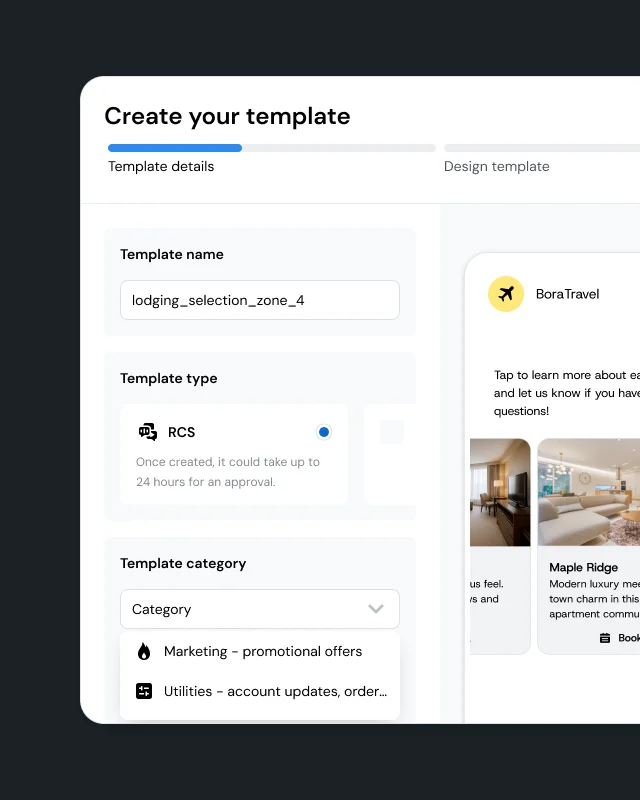
Emails get buried. Letters get ignored. A text message about an upcoming bill gets read — and acted on. SMS for billing and payments puts invoice alerts, payment reminders, and confirmations directly on your customers’ phones, so you get paid faster with less chasing.
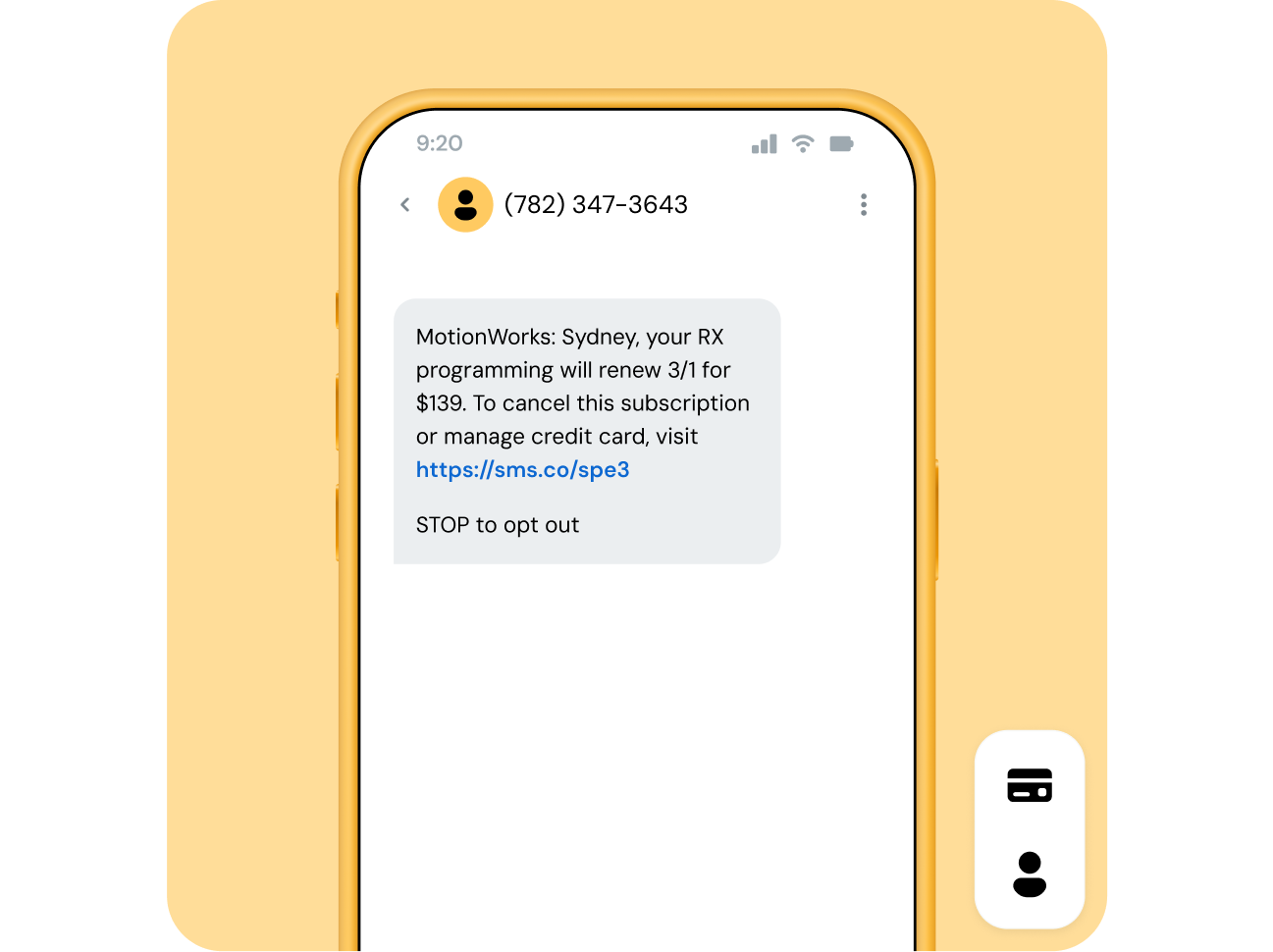

Image for The payment reminder people actually see

WHY SMS FOR BILLING

Turn overdue invoices into on-time payments

Every billing team has the same problem: you sent the notice, but the customer didn’t see it — or didn’t see it in time. SMS closes that gap by putting payment information where people are already looking: their phone.

Shorter collection cycles

Customers who get a text reminder before their due date are more likely to pay on time. Fewer late payments means less time spent on follow-up and collections.

Fewer past-due accounts

A well-timed past-due alert by text is harder to overlook than an email. When customers know they’ve missed a payment, they’re more likely to resolve it quickly.

Lower cost per notification

Compared to paper statements and outbound calls, SMS is dramatically cheaper to send — especially at scale across large customer bases.

Customers who feel informed, not surprised

Nobody likes an unexpected late fee. Timely SMS reminders keep customers aware of what’s due and when, which reduces disputes and improves satisfaction.
Image for Built for any team that bills customers on a recurring basis

WHO IT’S FOR

Built for any team that bills customers on a recurring basis

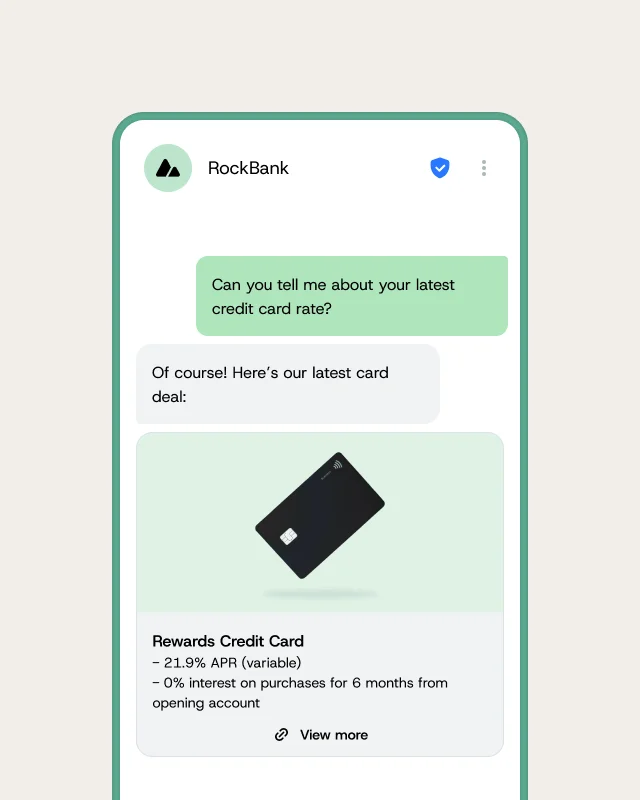
If your organization sends invoices, collects payments, or manages accounts receivable, SMS billing fits your workflow. It’s especially useful when you’re dealing with high volumes of recurring payments where even a small improvement in on-time payment rates has a significant financial impact.

Common teams using SMS billing include AR departments, revenue cycle teams in healthcare, billing operations at utilities and telecoms, property managers collecting rent, and subscription businesses managing recurring charges.

Image for Simple logic: the right message at the right moment

HOW IT WORKS

Simple logic: the right message at the right moment

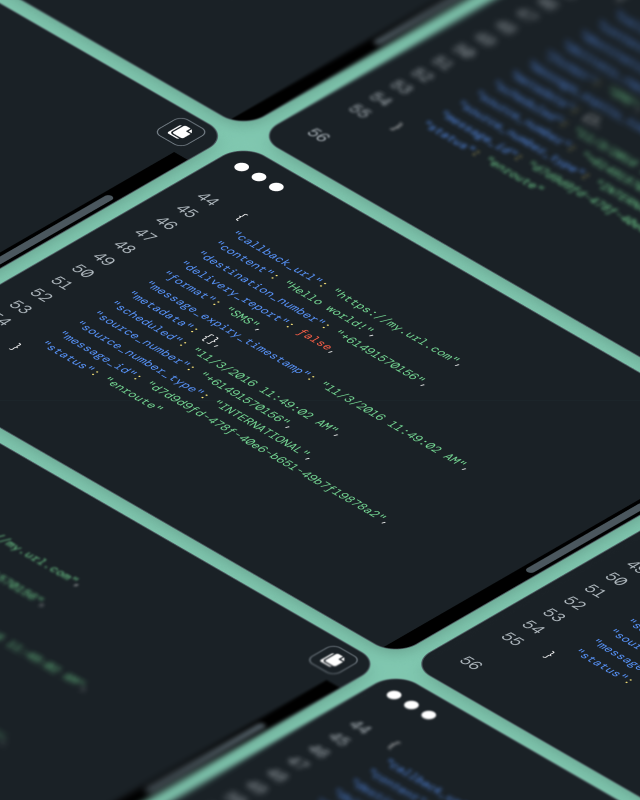
Your billing system or ERP triggers the message. The SMS API delivers it. The customer receives it on any phone — no internet or app required.

SMS billing maps directly to your existing billing cycle. Each message is triggered by a specific moment — and each one drives a clear action:

  • Before the due date → Send a payment reminder with the amount and due date

  • On the due date → Send a final reminder with a link to pay

  • After a missed payment → Send a past-due notice with next steps

  • When payment is received → Send a confirmation so the customer knows it went through

  • For recurring charges → Notify customers before the next charge processes

Image for Keep it short, clear, and actionable

BEST PRACTICES

Keep it short, clear, and actionable

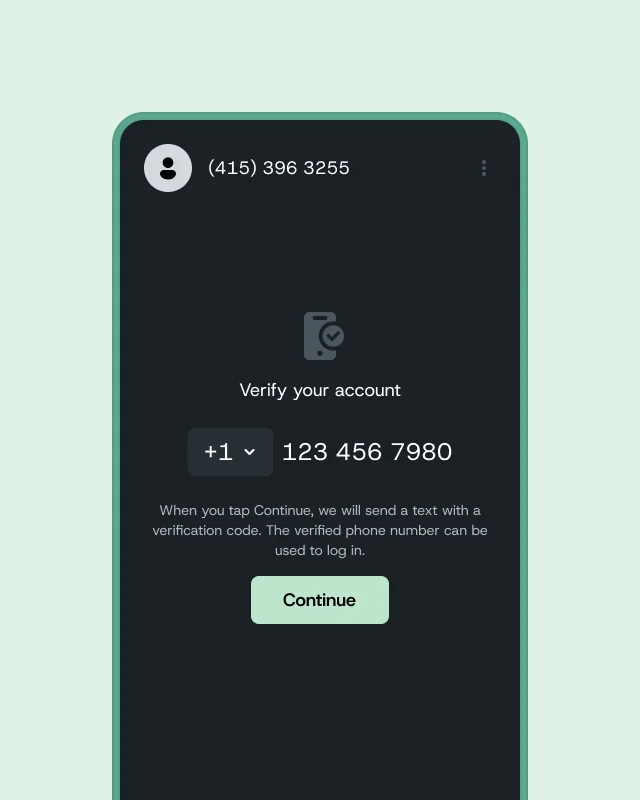
Billing texts work best when they’re specific. Tell the customer what’s owed, when it’s due, and what to do next — in as few words as possible. If the message doesn’t make the next step obvious, it’s not doing its job.

BY INDUSTRY

How different industries use SMS billing

Utilities

Send due-date reminders before the bill is late, past-due alerts when it is, and confirmations when payment clears — across millions of accounts.

Financial services

Remind customers about loan installments, credit card minimums, and overdue balances. A timely text can prevent a missed payment from becoming a collections case.

Healthcare

Notify patients about outstanding balances after insurance processing. Patient billing is often confusing — a clear, simple text cuts through that.

Telecommunications

Send billing cycle reminders and payment confirmations to subscribers. At telecom scale, even a 1% improvement in on-time payments moves the needle.

Property management

Remind tenants about rent due dates and send late-payment notices — without relying on posted notices or portal logins they never check.

Subscription services

Alert customers before recurring charges process, confirm payments, and reduce involuntary churn from expired cards or failed transactions.

Government agencies

Notify citizens about tax payments, fines, permit fees, and other obligations with due-date reminders that reduce delinquency and inbound call volume.

MESSAGE TYPES

The five messages every SMS billing program needs

Most billing programs run on a small set of message types tied to specific moments in the payment cycle:

  • Payment-due reminders — sent before the due date to prompt on-time payment

  • Past-due alerts — sent after a missed payment to prompt resolution

  • Invoice notifications — sent when a new bill is available, with a link to view or pay

  • Payment confirmations — sent when a payment is received, so customers know it processed

  • Recurring charge notices — sent before a subscription or installment charge processes

GETTING STARTED

Five steps to launch SMS billing

You don’t need to overhaul your billing process. SMS layers on top of what you already have.

Start with the highest-impact messages — usually payment-due reminders and past-due alerts. Add confirmations and recurring charge notices as you scale.

Decide exactly when each message fires: how many days before the due date, how soon after a missed payment, whether you send one reminder or a sequence.

Every message should include the amount, the due date, and a clear next step. Keep it under 160 characters when you can. Example: “Hi {{name}}, your {{amount}} payment is due {{date}}. Pay now: {{link}}”

Make sure customers have agreed to receive texts and can easily stop them. Build this into your workflow before you send a single message.

Run your messages with a limited audience, review delivery and response rates, refine wording and timing, then roll out more broadly.

FAQ

Frequently asked questions

It’s the use of text messaging to send billing-related communications — payment reminders, invoice alerts, past-due notices, and payment confirmations — directly to customers’ phones.

SMS is faster to deliver, cheaper to send at scale, and far more likely to be seen. Text messages are typically read within minutes, while emails often sit unread and paper statements take days to arrive.

The core set includes payment-due reminders, past-due alerts, invoice notifications, payment confirmations, and recurring charge notices. Most billing programs start with reminders and past-due alerts.

Utilities, financial services, healthcare, telecommunications, property management, subscription services, and government agencies — essentially any industry that bills customers on a recurring basis.

With two-way SMS, yes. Customers can confirm receipt, ask questions, or request payment arrangements — reducing inbound call volume.

Typically through an API integration with your billing system, ERP, or accounts receivable platform. Your system triggers the SMS at the right moment, and the messaging API handles delivery.

SMS billing is a use case. Sinch provides the messaging APIs, delivery infrastructure, and tools to build and scale SMS billing programs.

Yes. SMS billing is often used for recurring subscription or installment reminders. It can also confirm when a recurring payment is received.